Karen Batka
Holistic Psychotherapist
My desire to become a psychotherapist emerged from an insatiable curiosity about people: how we think, feel, experience, play, choose, create and respond to the unfolding tapestry of our lives.
Journey into Therapy
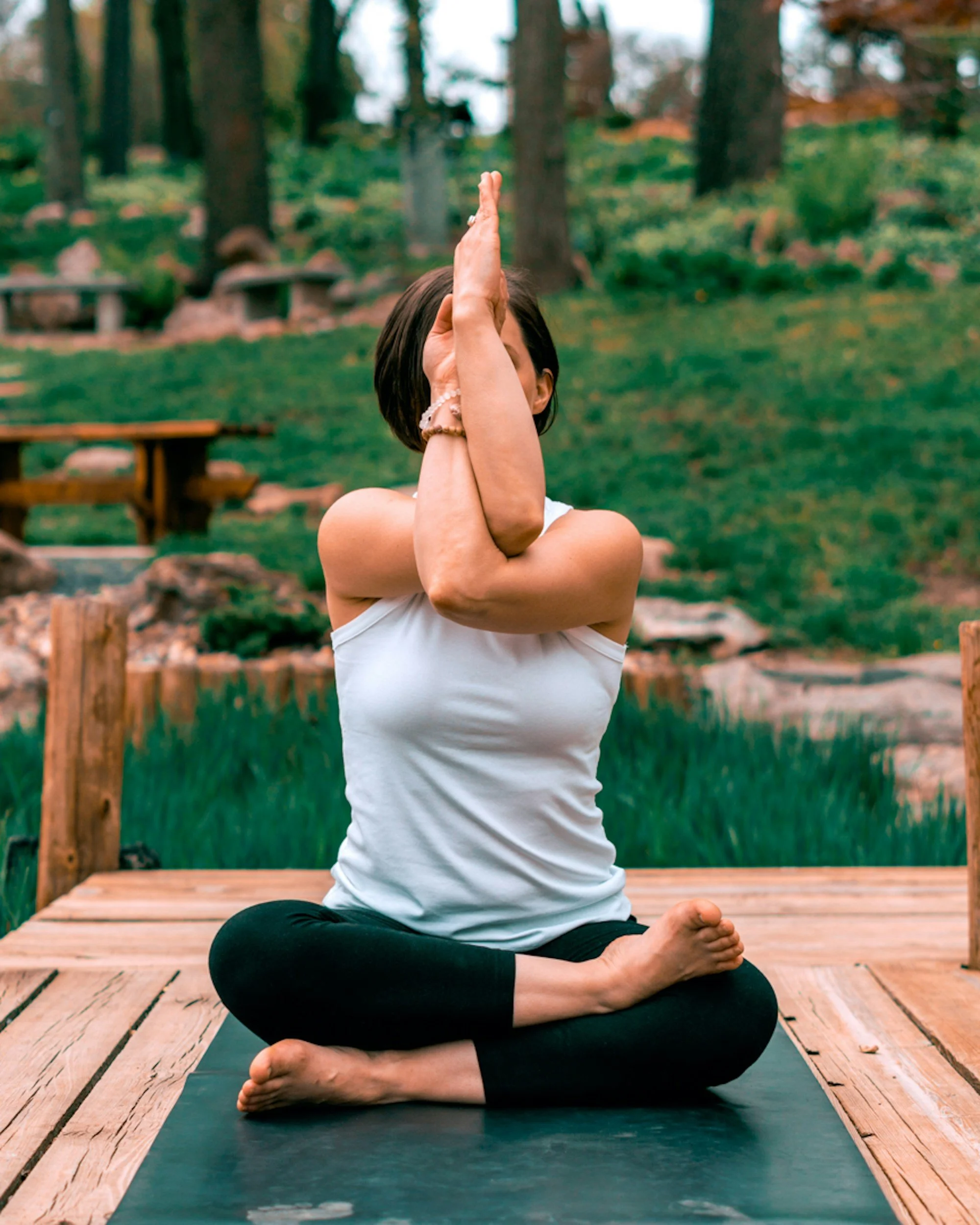
After living many life chapters both domestically and internationally, I have acquired a sufficient patina at mid-life to serve others in this capacity. In addition to the integrative mind, body, spirit training I received at the California Institute of Integral Studies, my life experiences as a daughter, sibling, student, wife, parent, business entrepreneur, expatriate, repatriate, teacher and friend all enhance my ability to work with a wide variety of issues, challenges and life intersections. Additionally, I have been a student of Hatha Yoga and Vipassana meditation for more than 30 years and became a Registered Yoga Teacher in 2002. These mindfulness practices are implicitly and explicitly incorporated into my therapeutic approach.

Education
MA in Integral Counseling Psychology, California Institute of Integral Studies
MBA, Moravian College
BS, The Pennsylvania State University
Training
-
I trained at The Center for Attitudinal Healing in Sausalito, CA working with individuals, couples and families as well as facilitating loss and bereavement groups.
The Center for Attitudinal Healing was founded in 1975 by Dr. Gerald Jampolsky, a psychiatrist and graduate of Stanford University Medical School, to create a safe place for children with cancer to talk about illness and dying. Attitudinal Healing integrates practical spiritual principles into a psychological format. The principles introduce thedynamic of choice into the psychological process, and offer people the opportunity to step through fear, conflict or separation they are feeling and make a choice to experience peace instead of conflict and love instead of fear, even in the face of extreme difficulty.
The Principles of Attitudinal Healing
1. The essence of our being is love.
2. Health is inner peace. Healing is letting go of fear.
3. Giving and receiving are the same.
4. We can let go of the past and of the future.
5. Now is the only time there is and each instant is for giving.
6. We can learn to love ourselves and others by forgiving rather than judging.
7. We can become love finders rather than fault finders.
8. We can choose and direct ourselves to be peaceful inside regardless of what is
happening outside.
9. We are students and teachers to each other.
10. We can focus on the whole of life rather than the fragments.
11. Since love is eternal, death need not be viewed as fearful.
12. We can always perceive ourselves and others as either extending love or giving a call for help.
-
I trained at Holos Institute: Ecopsychology Counseling and Education to explore the ways in which healing and transformation occur through our relationship to the natural world. The name “Holos” is derived from the Greek term for wholeness. Holos Institute re-envisions the therapeutic process to include mind, body and spirit as well as the living community of which we are all a part. Ecopsychology offers a philosophical ground for deeper understanding of human problems and practical approaches for healing and transformation. Psychologically healthy people have a respectful and sustainable relationship with the natural world, honoring we the diverse human cultural heritage of our ancestors, plants, animals and living Earth upon which we all depend. Our vision is to integrate the wisdom of an ecologically based psychology into clinical practices that serve to restore balance to the mind, body and spirit, and generate kindness toward the greater community in which we live.
-
As a Bereavement Counselor with Hospice By The Bay, my work focused primarily on grief counseling – supporting clients through loss, grief and bereavement processes both in one-to-one sessions and group facilitation.
In the early 1970s, dedicated volunteers in Marin County, California, recognized the need to start an agency that would provide hospice care — a new kind of holistic, compassionate care for patients coping with terminal illness that also offered support for their families. Families wanted support so they could care for their loved ones at home or at a long-term care facility. Physicians wanted an alternative to hospitalizing patients at the end of their lives.
In 1975, Hospice of Marin (now By the Bay Health) is founded as a community, non-profit hospice, the second hospice in the U.S. and the first in California which provides terminally ill patients with compassionate hospice care at home that minimizes pain and suffering to improve quality of life. The agency’s pioneering work in hospice becomes the model for other start-up hospice programs around the country, as grant funds allow staff and volunteers to train other healthcare professionals about end‐of‐life care.
My psychotherapy work has been informed and shaped primarily by Psychodynamic, Gestalt, Somatic and Transpersonal orientations. I have completed additional trainings in Internal Family Systems, The Hakomi Method, Accelerated Experiential Dynamic Psychotherapy (AEDP), Attachment-Focused EMDR, The Grief Recovery Institute®, The Rosen Method, Collaborative Couples Therapy, Clinical Applications of the Enneagram, Skills for Change Bodywork, Restorative Practices, Positive Psychology and certifications as an Employee Assistance Specialist and Certified Grief Recovery Specialist®. My work is influenced by many teachers including: Phillip Moffitt, John Welwood, A.H. Almaas, Fred Luskin, Diana Fosha, Rob Fisher, Angeles Arrien, Sandra Maitri, Adyashanti and Marion Rosen.

What this means for you is that the past is invited into the present in ways that feel safe, useful, mindful and transformational. What this feels like during sessions is empathy, curiosity, deep listening, humor, presence and a trust in your inner wisdom.
I believe in the efficacy of providing you with an opportunity for exploration instead of delivering an explanation. That said, there are times when it feels appropriate for me to assist in making the unconscious conscious.
Additionally, my moment-to-moment tracking of the 80% of communication that is non-speaking not only increases safety and trust, but also provides a wider and richer landscape to explore with you.